Is Oracle Siebel Still a Viable CRM in 2026?
Oracle Siebel remains a viable, supported, and strategically valuable CRM platform in 2026 for many large enterprises — particularly those with complex business models, regulated environments, or deep industry-specific customizations. Oracle Support for Siebel extends through at least 2036.
Despite ongoing market noise around cloud-native CRM platforms, Siebel continues to evolve through Oracle Innovation Packs and Open UI enhancements. Organizations that invest in modernization, usability improvements, and selective integration can extend the life and value of Siebel for many years — often at a fraction of the cost and risk of a full CRM replacement.
The real question in 2026 is no longer "Should we replace Siebel? — but rather: "How do we modernize and maximize the value of the Siebel platform we already own?"
Why Oracle Siebel's Future Is Being Questioned
Many IT leaders are under pressure to justify continued investment in Siebel because:
-
Cloud CRM vendors aggressively market replacement programs
-
Business stakeholders expect modern UX and mobile access
-
Siebel's reputation is still shaped by its pre-Open UI interface
-
Mergers and acquisitions introduce multiple CRM platforms
As a result, organizations often assume Siebel is “end-of-life” — even though Oracle continues to support and enhance the platform.
Oracle Siebel CRM viability in 2026
Oracle has not announced end-of-life for Siebel. Instead, it continues to:
For enterprises running mission-critical operations on Siebel, Oracle's roadmap signals stability, not abandonment.
What Modern Siebel Looks Like in 2026
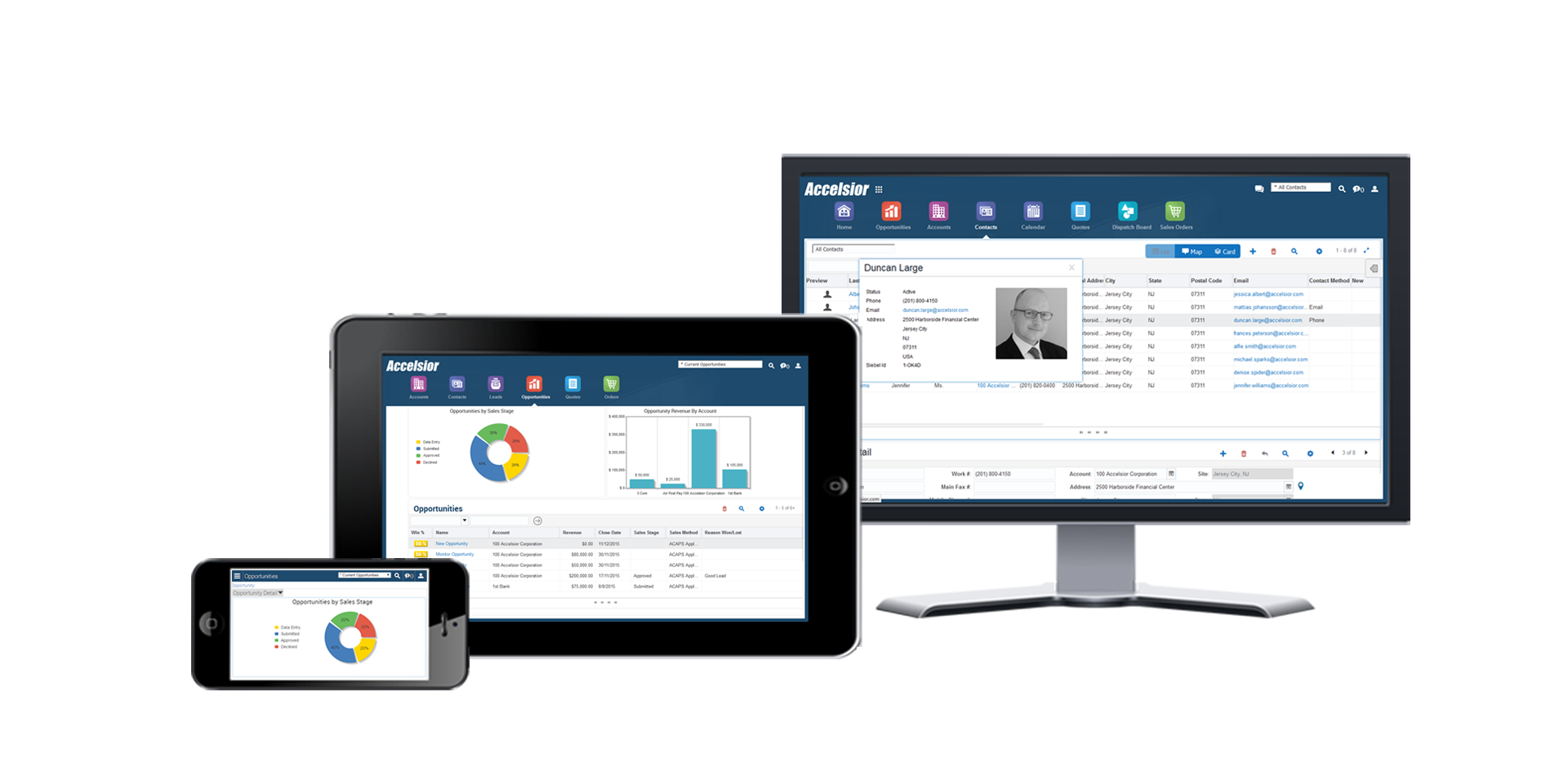
Modern User Experience
- Branded Open UI themes with Sidebar navigation and cleaner layouts
- Reduced visual clutter
- Record preview on hover
- Recent records access from anywhere
- Fewer clicks and fewer views
Embedded Analytics and Dashboards
- Native Open UI client charts
- Real-time KPIs in operational views
- Executive dashboards
- External data integration
API-First Integration
- REST-based integration with modern platforms
- Event-driven workflows
- Microservice-friendly architecture
Cloud and Hybrid Deployment
- Hosting on modern infrastructure
- Improved scalability and DR
- Lower operational overhead
Why Replacing Oracle Siebel Often Fails
Large-scale CRM replacement programs frequently:
- Exceed budgets and timelines
- Lose critical business logic
- Introduce operational disruption
- Reduce productivity for years
- Deliver less functionality than promised
In contrast, incremental Siebel modernization:
- Native Open UI client charts
- Real-time KPIs in operational views
- Executive dashboards
- External data integration
When Replacing Siebel Does Make Sense
Siebel replacement may be justified if:
For most large enterprises, however, these conditions rarely apply.
Strategic Recommendation for 2026
For the majority of Siebel customers, the optimal strategy is:
Modernize, integrate, and extend Siebel — rather than replace it.
This approach:
Why Accelsior?
Accelsior specializes in modernizing Oracle Siebel environments. If your organization is questioning Siebel's future in 2026, the smart move is to first engage Accelsior to perform an objective modernization assessment of your current Siebel deployment. Contact Accelsior to: